Shopping Cart
0
Selected especially for you:



As their due date approaches, many women look for ways to prepare their bodies as best as possible for childbirth. One proven but often overlooked technique is perineal massage, a simple method that helps the perineum stretch more effectively during childbirth.
Research shows that starting perineal massages at 35 weeks of pregnancy can significantly reduce the risk of an episiotomy and perineal trauma, especially among first-time mothers.
This blog highlights the importance of this timing and how to maximize its benefits.
Studies show that women who begin perineal massage around the 35th week of pregnancy have a 15% lower risk of episiotomy compared to women who do not use this technique.
The massage helps increase tissue flexibility, allowing the perineum to stretch more easily during childbirth.
Would you like to know more about the difference between an episiotomy, a tear, and an abrasion? Read more about it here more about it here.
Perineal trauma, including spontaneous tears, occurs in 53–89% of vaginal deliveries, with the highest rates among first-time mothers.
Although perineal massagecannot prevent all types of tears, scientific evidence suggests that starting the technique at 35 weeks helps improve perineal integrity. This may reduce the risk of moderate to severe perineal tears (second-degree or higher).
This protective effect is particularly important during the final weeks of pregnancy, when the baby’s head exerts increasing pressure on the perineum.
Regular perineal massage in the weeks leading up to delivery can increase the elasticity and flexibility of the perineal tissue.
This massage technique stimulates blood flow in the perineal area, which helps improve tissue nutrition and prepares the body for the physical demands of childbirth.
This allows the perineum to adapt more effectively, reducing resistance and friction as the baby moves through the birth canal and thereby lowering the risk of trauma.
The second stage of labor, which lasts from full dilation until the baby is born, can be intense and prolonged, especially for first-time mothers.
Research suggests that perineal massage starting at 35 weeks can shorten the duration of this stage by helping the perineum move more easily as the baby descends.
This can lead to a smoother delivery and may reduce the need for medical interventions.
Perineal trauma, whether caused by a tear or an episiotomy, can lead to postpartum complications such as:
Studies show that women who perform perineal massage experience less perineal pain three months after giving birth.
In addition, perineal massage after 35 weeks is associated with a lower incidence of fecal (bowel) and flatus incontinence, making the recovery process more comfortable.
Would you like to learn more about infections, inflammation, and bacterial vaginosis during pregnancy to avoid any unpleasant surprises? Read all about it in this blog.
It’s understandable that you’re wondering why perineal massage is only recommended starting at 35 weeks of pregnancy . The main reason is that both scientific studies and clinical guidelines the effectiveness and safety of this technique have evaluated it exclusively from this point in the pregnancy.
Furthermore, starting the massage before the body’s natural preparation process for childbirth may simply be less effective. In summary: the body responds best to perineal massage during the final weeks of pregnancy, which is why week 35 is considered the optimal starting point.
For best results, it is recommended to massage the perineum daily or as often as possible (at least 1 to 2 times a week) starting in week 35.
The technique is simple, can be performed on your own or with a partner, and takes only a few minutes per session.
For a detailed step-by-step guide on how to perform perineal massage, see here our comprehensive tutorial.

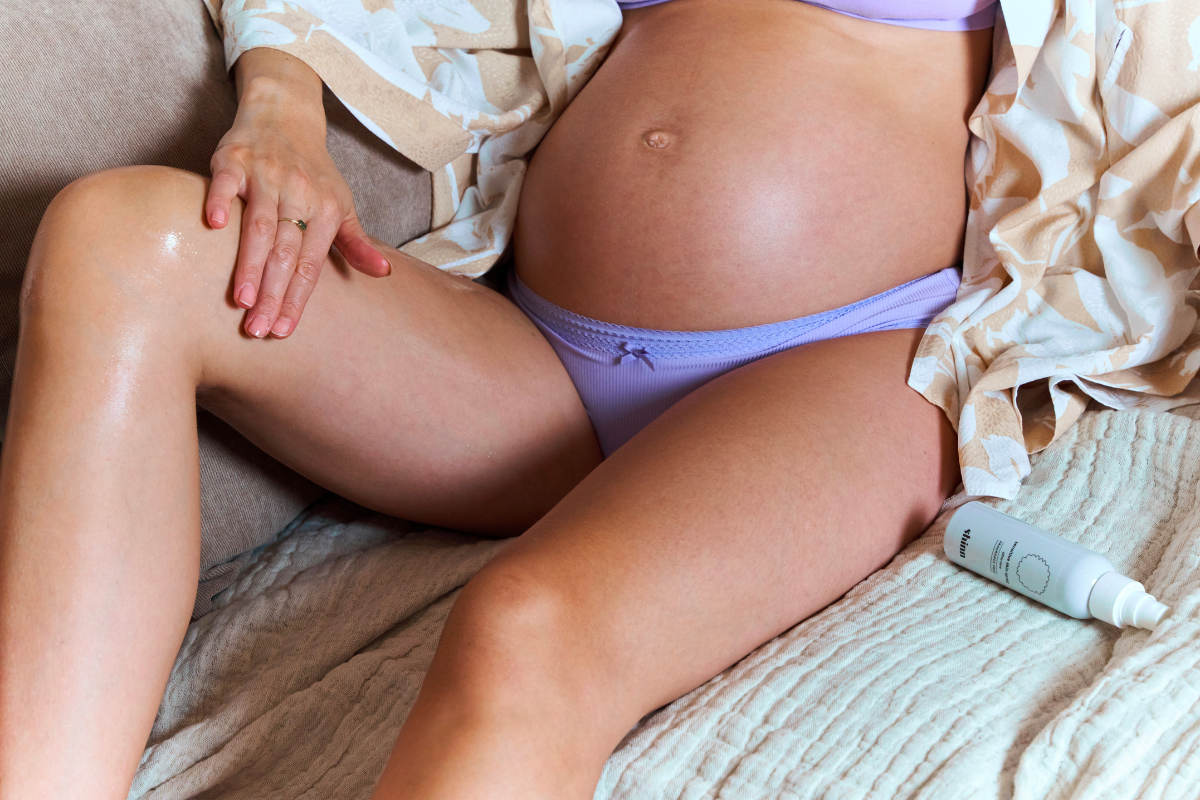
For greater comfort and effectiveness, you may want to use a specially formulated perineal massage oil, such as our Peri Oil Spray, can help improve skin elasticity and hydration.

Perineal massages may feel uncomfortable at first and cause a burning sensation. These sensations usually subside after the second or third week of massage. If you experience pain, stop and consult your midwife.
If you have genital herpes, a vaginal yeast infection, or any other vaginal infection, it is recommended that you consult a midwife or doctor before starting perineal massage. Avoid contact with blisters or sores caused by genital herpes, unless you are applying a prescribed cream.
Looking for more tips on how to properly clean your intimate area? Read here here.
Want to learn more about intimate health or try our products? Discover shinncare productshere shinncare find the best care for every stage of life.
References:

In-house gynecologist at Shinncare