Shopping Cart
0
Selected especially for you:
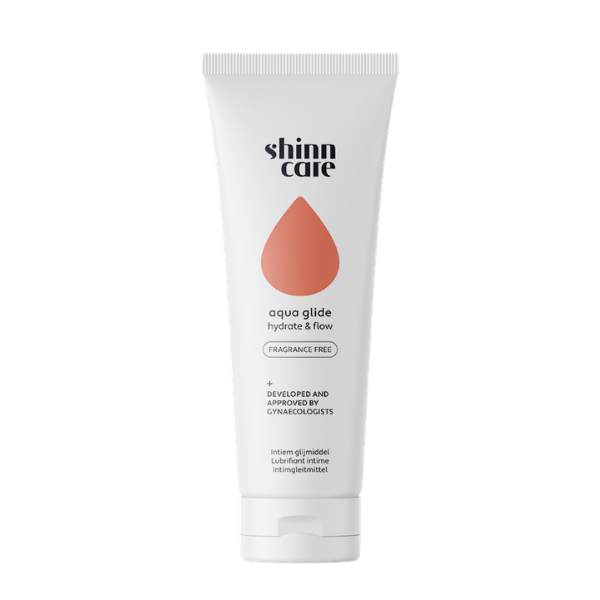

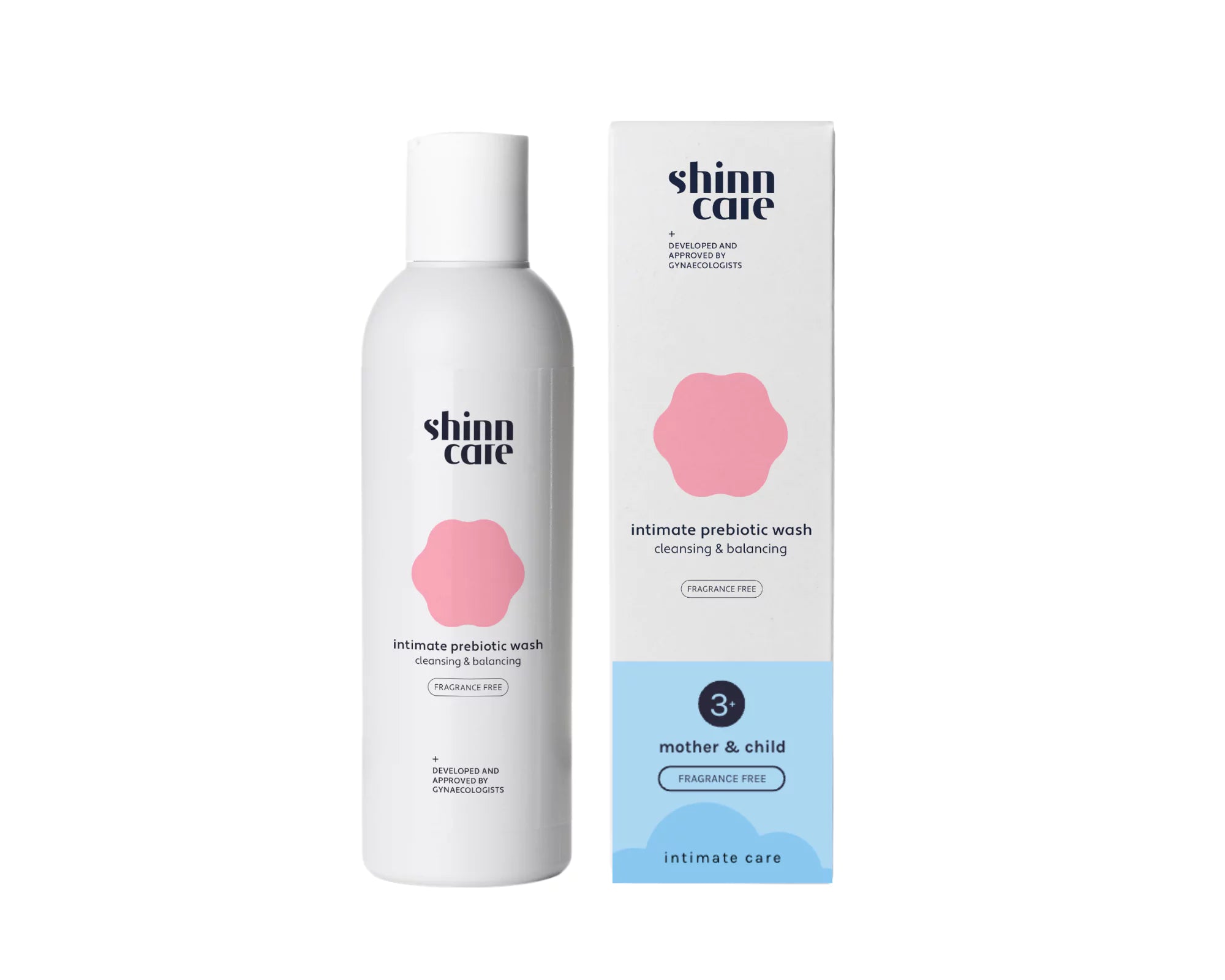



Stress is a common challenge in modern life and has significant consequences for both mental and physical health. Although the impact of stress on the cardiovascular system and mental well-being is well documented, stress also plays a crucial role in intimate health. This includes vaginal health, hormonal balance, and sexual well-being. Yet the effects of mental health conditions on gynecological conditions often remain under-recognized, which can influence treatment outcomes.
This blog discusses the physiological and psychological mechanisms through which stress affects intimate health. It also presents a number of practical tips from our gynecologist, Dr. Elisabeth Smet, for managing stress.
• Chronic stress has a significant impact on vaginal health because it weakens the is weakenedand the balance is disrupted.
• Thehypothalamic-pituitary-adrenal (HPA) axis, which regulates the release of cortisol , is extremely sensitive to prolonged stress. Elevated cortisol levels suppress immune function, increasing susceptibility to infections such as bacterial vaginosis (BV) and recurrent vulvovaginal candidiasis (RVVC). Research shows a strong correlation between psychological stress and the prevalence of BV, independent of behavioral factors, because stress affects the immune system and inflammatory responses in the vagina.
• Dysregulation of the immune system as a result of stress reduces the presence of beneficial Lactobacillus bacteria, which promotes the growth of pathogenic microorganisms .
• In addition, stress during pregnancy associated with negative reproductive outcomes, such as an increased risk of preterm birth.
Would you like to learn more about infections, inflammation, and bacterial vaginosis during pregnancy to avoid any unpleasant surprises? Read all about it in this blog.
Menstrual disorders, hormonal imbalances, and mood swings are interconnected aspects of women’s health that have a significant impact on daily functioning and well-being.
• Chronic stress affects the HPA axis, which plays a key role in the regulation of reproductive hormones. Elevated cortisol levels can inhibit the release of gonadotropin-releasing hormone (GnRH) , leading to:
Would you like to learn more about the different stages of menopause so you can enter this special phase of life fully prepared? Read more here .
Curious about what other intimate discomforts you can expect during menopause? Read all about it in this blog post.
Stress has a significant impact on sexual well-being by reducing libido, disrupting hormonal balance, and causing vaginal dryness.
• High cortisol levels suppress the production of estrogen and testosterone, which leads to decreased sexual arousaland decreased vaginal lubrication.
• Chronic stress increases the risk of sexual dysfunction by exacerbating fatigue, anxiety, and psychological stress.
• Increasedmuscle tension in the pelvic floor as a result of stress is associated with conditions such as:
Addressing stress through relaxation techniques, open communication with partners, and professional counseling can help mitigate these effects and improve overall sexual health.

The complex relationship between stress and intimate health highlights the importance of effective stress management strategies. Dr. Elisabeth Smet recommends the following approaches:
• Mindfulness and relaxation techniques: Meditation, yoga, and breathing exercises can help reduce stress and its physiological effects.
• Regularexercise: A simple yoga session or gym workout can improve mental health.
•Seekprofessionaladvice: Gynecologists, therapists, and sexologists can offer tailored strategies to address stress-related intimate health issues.
• Self-careand intimate care routines: The shinncare’s daily vulva care supports intimate health by providing balance, hydration, and comfort.

Looking for more tips on how to properly clean your intimate area? Read here here.
Want to learn more about intimate health or try our products? Discover shinncare products here shinncare find the best care for every stage of life.
References:
1. https://www.sciencedirect.com/science/article/pii/S0002937805005065
2. https://pmc.ncbi.nlm.nih.gov/articles/PMC10706127/
3. https://pmc.ncbi.nlm.nih.gov/articles/PMC8139339/
4. https://dialnet.unirioja.es/servlet/articulo?codigo=9671035
5. https://pmc.ncbi.nlm.nih.gov/articles/PMC5885123/
6. https://www.sciencedirect.com/science/article/pii/S0882401019309556
7. https://www.frontiersin.org/journals/endocrinology/articles/10.3389/fendo.2018.00568/full
8. https://link.springer.com/article/10.1007/s13167-019-00164-3
9. https://www.tandfonline.com/doi/abs/10.1016/S0968-8080 (99) 90004-6
10. https://academic.oup.com/jsm/article-abstract/10/10/2443/6939954?login=false

In-house gynecologist at Shinncare