Shopping Cart
0
Selected especially for you:




Infections, inflammation, and bacterial vaginosis are not the same thing and have different causes. What they do have in common is that they can occur at any stage of life. Hormonal fluctuations during menopause or pregnancymake women more susceptible. By understanding the differences and recognizing the causes, you can better prepare for these special stages of life and avoid unwanted surprises.
In this blog, you’ll learn all about the causes of infections, inflammation, and bacterial vaginosis, why they’re common during menopause and pregnancy, and get practical tips on how to prevent or treat them using shinncare products.
• The Difference Between Infection, Inflammation, and Bacterial Vaginosis
• Infections, inflammation, and bacterial vaginosis during menopause
• Infections, inflammation, and bacterial vaginosis during pregnancy
• Preventive tips forinfections, inflammation, and bacterial vaginosis during menopause and pregnancy
• What is an infection?
An infection occurs when pathogens such as bacteria, viruses, fungi, or parasites enter the body and multiply. The immune system recognizes these invaders as harmful and activates a defense mechanism to fight the infection.
•What is inflammation?
Inflammationis a natural response of the immune system to damage, irritation, or infection. Inflammation can therefore occur in response to an infection, but it can also be caused by other factors such as injuries, autoimmune diseases, or allergic reactions. The purpose of inflammation is to heal the damaged tissue and eliminate harmful substances.
•What is bacterial vaginosis?
Bacterial vaginosis is caused by an imbalance in the normal bacterial flora of the vagina, also known as the vaginal microbiota.
Infections, inflammation, and bacterial vaginosis can occur at any stage of life and have various causes. During (peri)menopause, when hormonal and intimate changes occur, the risk of these issues increases.
• Infections and bacterial vaginosis during menopause

As estrogen levels decline during menopause, the vaginal wall becomes thinner and drier, a condition known as vaginal atrophy. This makes the vagina more susceptible to pathogens and infections.
•Changes in vaginal pH
A healthy vagina has an acidic environment with a low pH, which helps ward off harmful bacteria. During menopause, the pH rises (becoming less acidic and more alkaline). This creates an environment in which harmful bacteria, such as those associated with bacterial vaginosis, can grow more easily.
• Inflammation during menopause
• Inflammation of the vagina and vulva
As estrogen levels decline, the vaginal wall becomes thinner, drier, and less elastic, making the vagina more susceptible to irritation and inflammation. This condition is also known as vaginal atrophy or genitourinary menopause syndrome (GMS).
Would you like to learn more about the different stages of menopause so you can be fully prepared to enter this special phase of life? Find out everything you need to know here.
Are you curious about what other intimate symptoms and discomforts you might experience during menopause? Read all about it in this blog post.
During pregnancy, women are at increased risk of intimate infections, such as yeast infections, bacterial vaginosis, and urinary tract infections. This is due to hormonal and physical changes in the body.

In addition to infections, pregnant women may also experience more frequent vaginal infections, often caused bychanges in vaginal discharge and increased sensitivity.
• Infections and bacterial vaginosis during pregnancy
• Hormonal changes
During pregnancy, hormone levels such as estrogen and progesterone rise, which affects the vaginal flora. This can lead to an imbalance and an increased risk of infections.
• Weakened immune system
The immune system adapts to prevent the body from rejecting the fetus. While this is essential for a healthy pregnancy, it makes the mother more susceptible to infections.
• Change in pH
During pregnancy, the vaginal environment often becomes more acidic. While this helps fight harmful bacteria, it can also create a favorable environment for certain fungi and other microorganisms. This imbalance can lead to infections.
• Inflammation during pregnancy
• Increased vaginal discharge
A natural increase in vaginal discharge can create a moist environment, which can cause irritation and inflammation.
Would you like to learn more about vaginal discharge and intimate irritation during pregnancy? Be sure to check out this blog post.
1. Good hygiene
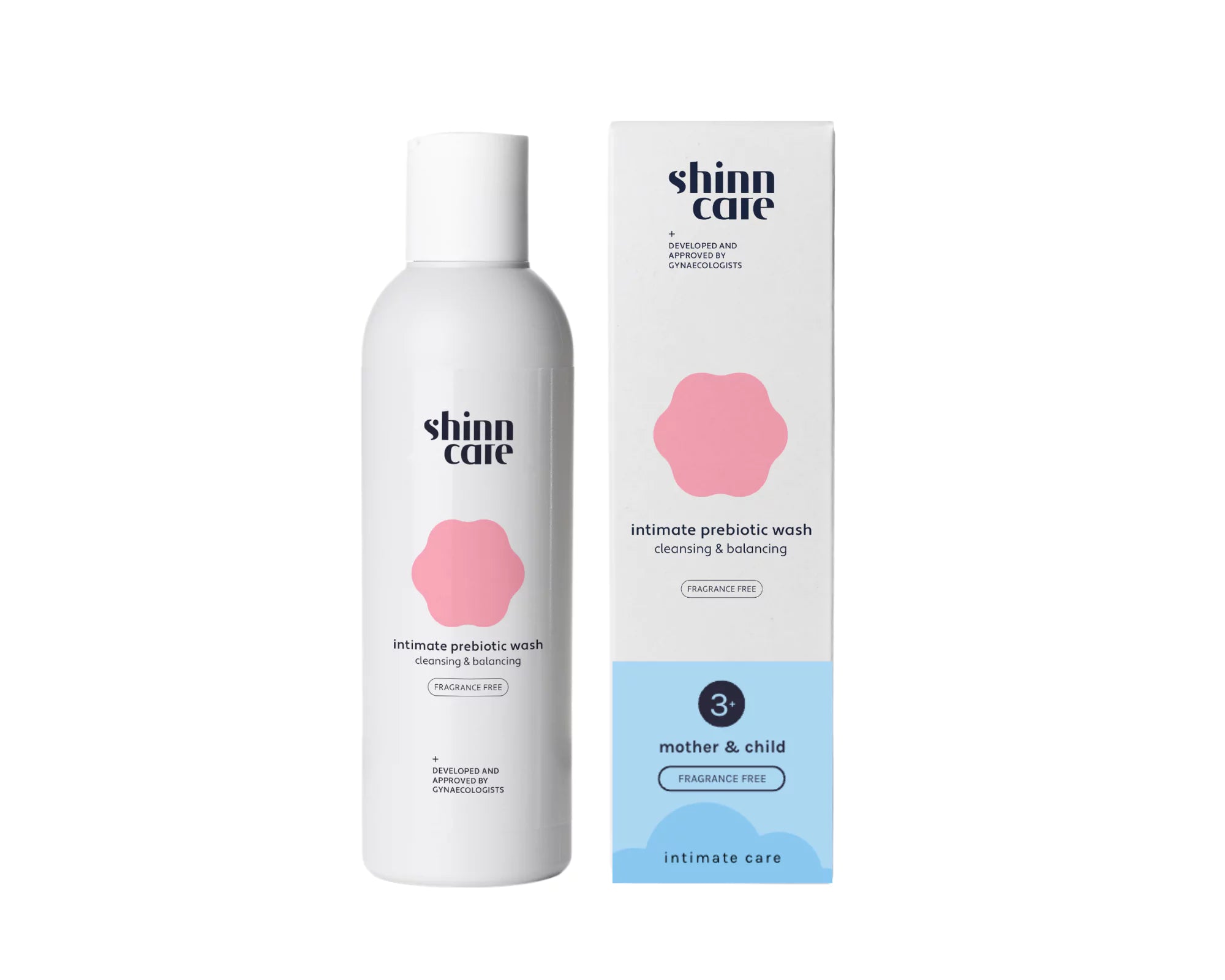
Wash your intimate area daily with lukewarm water to maintain its natural balance. Use a mild cleanser such as the intimate prebiotic wash from shinncare, specially formulated to support the delicate intimate microbiome.
The Intimate Prebiotic Wash offers:
• Gentle care with a anti-inflammatory and moisturizing effect.
• Support during hormonal changes, such as during menopause or pregnancy.
• Prevention of infections and inflammation, ideal for conditions such as vaginal atrophy.

When used daily, this product helps reduce intimate skin irritation and maintain a healthy balance, helping you prevent intimate discomfort.
Get here more tips on how to properly clean your intimate area.
2. Breathable underwear and appropriate clothing
Wear breathable cotton underwear and try to avoid tight-fitting clothing.
3.Use moisturizing products
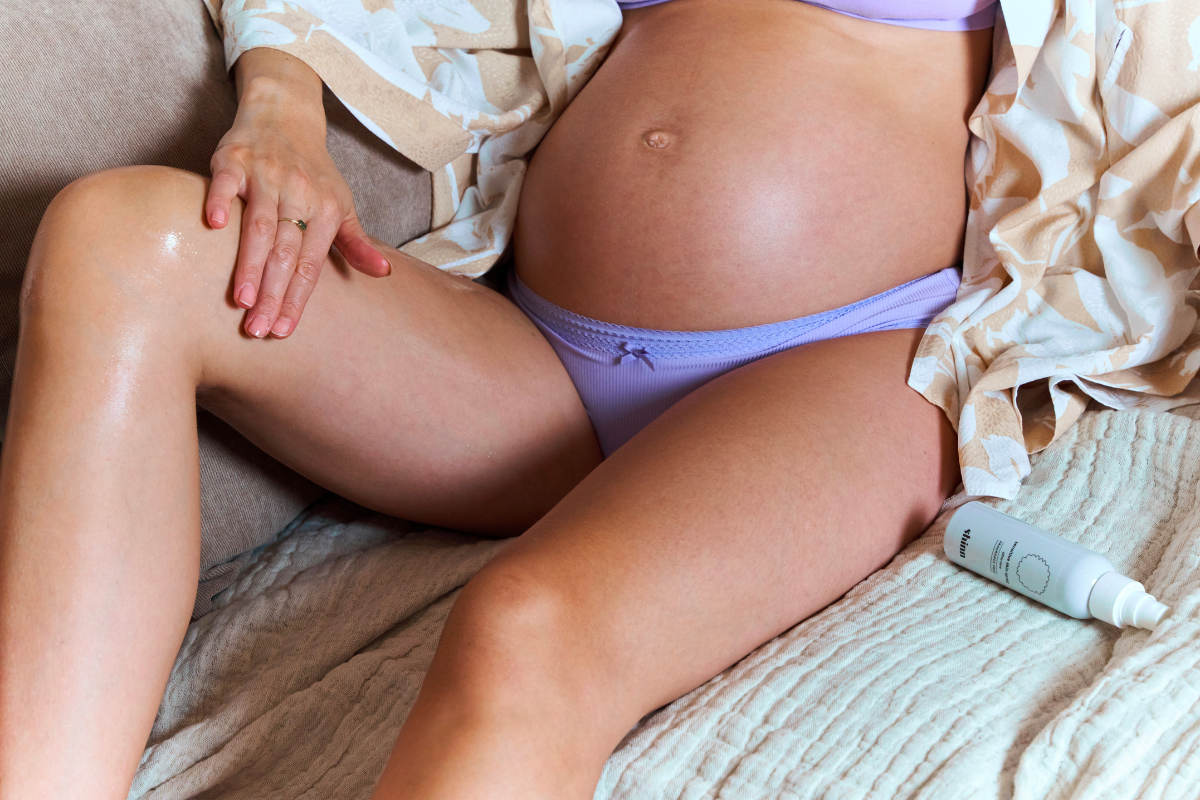
Soothe and protect your skin with the intimate oil spray from shinncare, specially formulated to moisturize and nourish the intimate area. This natural oil provides effective relief from various discomforts.
The intimate oil spray :
• Reduces irritations such as redness, sensitivity, itching, and dryness.
•Soothes dryness and sensitivity caused by hormonal changes during menopause, pregnancy, and breastfeeding.
•Hydrates and nourishes the skin to reduce discomfort and support the skin barrier.

Regular use of this oil helps keep your intimate skin healthy, moisturized, and comfortable, no matter what stage of life you’re in.
4. Consult a healthcare provider
If you experience symptoms such as itching, a burning sensation, or unusual discharge, it is important to consult a doctor. Some medications are not suitable for use during pregnancy, and safe treatment is essential. shinncare products have been dermatologically and gynecologically tested and developed and consist solely of natural ingredients. shinncare products shinncare safe for intimate use and designed to respect your microflora.
Would you like to learn more about intimate health or try our products? Check out shinncare products here and discover the best care for every stage of life.

In-house gynecologist at Shinncare