Shopping Cart
0
Selected especially for you:



The prevalence of all types of incontinence among people aged 65 and older is estimated at 28%. Of these, about half suffer from IAD. This indicates that a significant number of people may be affected by this skin condition (1).
The symptoms of IAD can vary depending on skin color and the severity of the condition.
• People with fair skin: redness (erythema) ranging from pink to red.
• People with dark skin: the skin may become paler, yellow, darker, purple, or dark red.
• General symptoms: diffuse or rather irregular redness, swelling, vesicles, large blisters (bullas), skin erosion, and infection. IAD can cover a large, irregularly shaped area and often causes discomfort, pain, burning, itching, and tingling.
IAD is caused by exposure to urine and/or feces, which leads to chemical irritation of the skin.
•Urinaryincontinence: Urea in the urine is converted by skin bacteria into ammonia, which is alkaline and raises the skin’s pH level.
•Fecalincontinence: Irritation caused by fecal matter.
Symptoms are most pronounced when both urinary and fecal incontinence are present.
There are several factors that can worsen the symptoms of IAD:
• Use of occlusive products (such as tight underwear and sanitary pads).
• Reduced physical activity.
• Poor skin condition (due to conditions such as diabetes, steroid use, or ulcerations).
• Inability to change one’s own diaper.
• Certain medications (such as antibiotics and immunosuppressants).
Treatment for IAD starts with an accurate diagnosis and addressing the underlying causes. Here are some steps you can take to relieve symptoms and prevent further irritation:

1. Consulta specialist: This is essential for an accurate diagnosis and effective treatment.
2. Addressthe underlying cause: This includes avoiding triggers such as urinary tract infections and using products containing super-absorbent polymer instead of regular sanitary pads.
3. Avoidocclusion: Wear loose-fitting underwear and clothing to prevent friction and a moist environment. If panty liners are used, any applied ointments must first be fully absorbed into the skin. Otherwise, the cream on the skin will prevent the panty liner from absorbing urine or stool.
4. Avoidskin contact with urine and/or feces: Use barrier products to protect the skin, such as the intimate oil spray protect & repair from shinncare.
5. Avoidusing dry toilet paper.
6. Avoidmechanical friction e.g., while washing or using the restroom
7. Avoidsoap and water
8. Avoidwearing too many layers: This can cause friction and raise the temperature, which promotes a damp environment and hinders ventilation.
9. Avoid wearing underwear whenever possible (for example, at night).
10. Choosecotton or silk underwear: This is gentler on the skin and promotes breathability.
11. Changeyour underwear every day: This helps keep your skin clean and dry.
12. If panty liners are used, they must be changed regularly. Stool or urine can be trapped against the skin by the panty liner. Furthermore, heat and moisture, which are trapped by the panty liner, can damage the skin barrier. Therefore, it is advisable, whenever possible, to either avoid using them or to change them very frequently when in use.
13. Drink enough water and eat a varied diet that includes protein, fruits, and vegetables.
A structured skincare routine can help reduce the symptoms of IAD and restore the skin. Here are some recommendations:

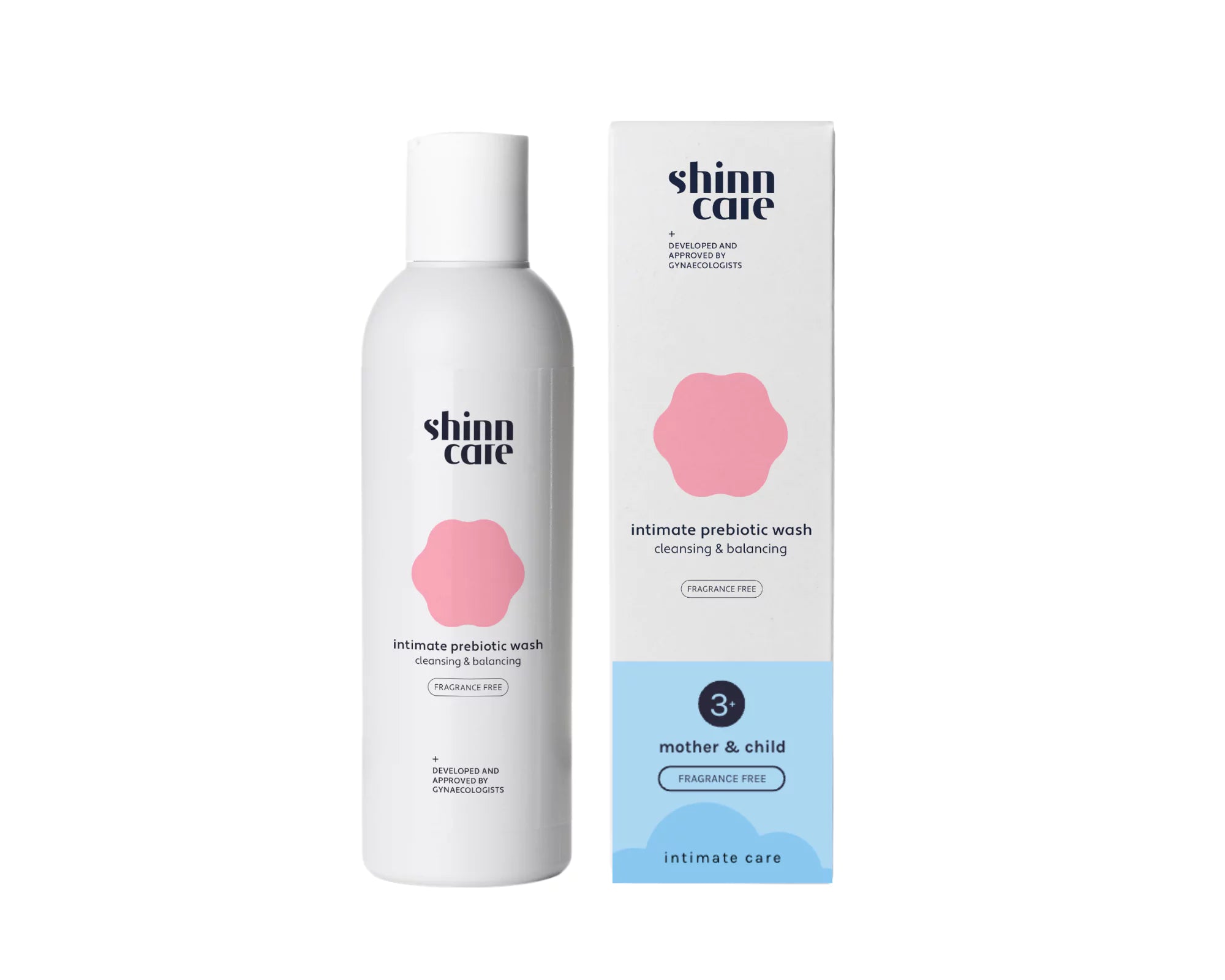
1. Cleanthe skin as soon as possible after each episode of incontinence. Use a cleansing product with the same pH level as the intimate area, such as the intimate prebiotic wash from shinncare. Avoid using dry toilet paper.
2. Protect: Apply a barrier product to the skin to prevent direct contact with urine and feces. The intimate oil spray protect & repair by shinncare a restorative and nourishing barrier oil.
3. Repair: Use products that help restore the skin’s lipid barrier. Here, the intimate oil spray protect & repair from shinncare can help shinncare this.
It is important to seek guidance from a specialist to help you choose the right products and methods for your situation.

Incontinence-associated dermatitis is a common and often painful condition that requires a careful and targeted approach. By using the right products and avoiding triggers, you can effectively manage the symptoms of IAD and keep your skin healthy. Consult a specialist for personalized advice and discover how you can improve your comfort and well-being when treating IAD.
Discover our trusted products here that can help you manage intimate issues related to incontinence.
Sources:
(1) Gray and Giuliano, 2018

In-house gynecologist at Shinncare