Shopping Cart
0
Selected especially for you:
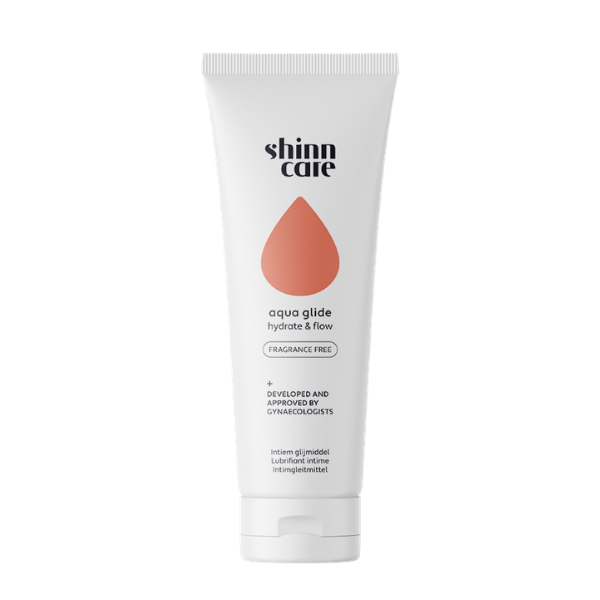

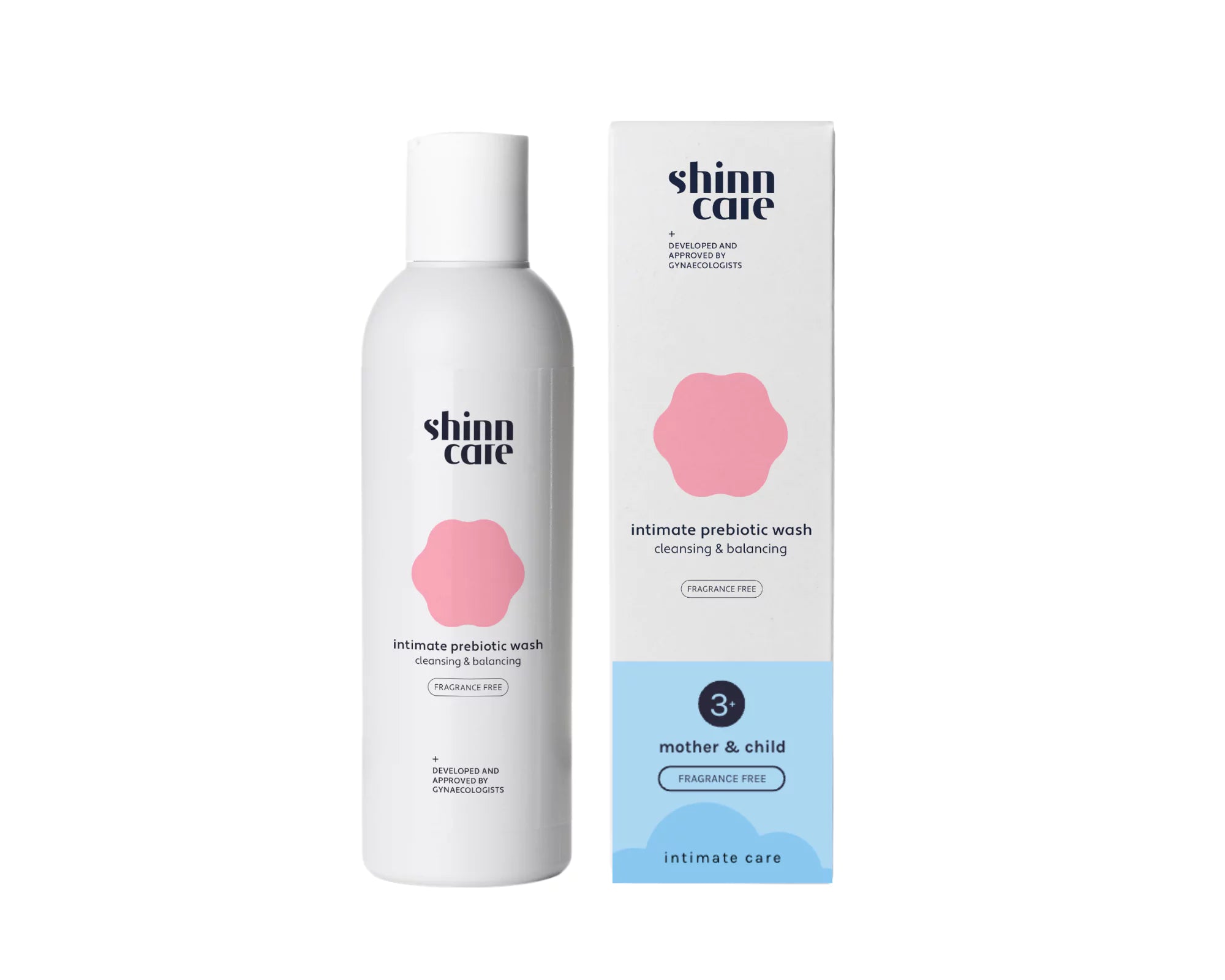


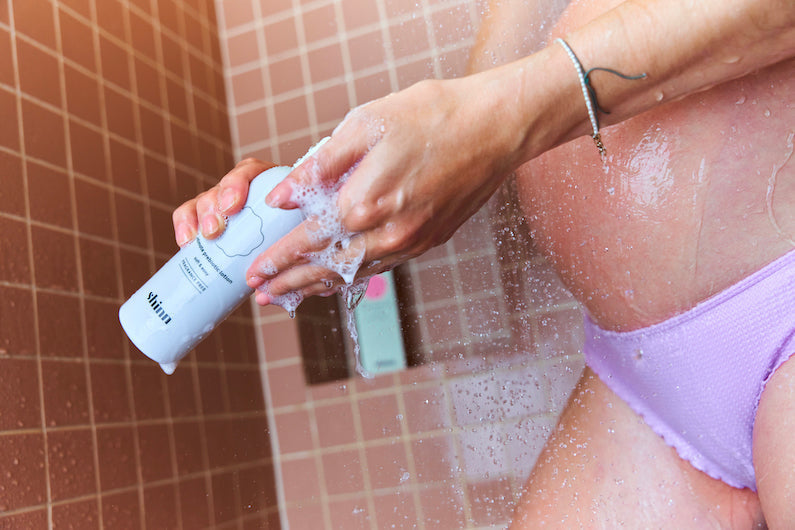
What’s the best product to use for washing my vulva? Or should I even be using products at all? And what’s the best way to clean my vulva? Should I use a washcloth, or should I do it by hand? These are questions women have undoubtedly asked themselves at some point. Yet, partly due to uncertainty, people don’t readily seek answers to these questions. But who wants to deal with discomfort in their intimate area as a result of improper care? Shinncare the best way to clean your vulva.
In *The Vagina Book*, written by sexologist Goedele Liekens, it is clearly stated: the majority of women say that the vagina is the organ they know the least about. But there’s more. For instance, the vast majority of women claim to feel ashamed of their vagina or find it difficult to talk about it. That’s strange, because the vagina is one of the things that makes a woman a “woman” and is therefore a very important organ—not only for the body itself, but also for overall well-being. Proper care affects not only your health but also how you feel.
The vagina is a self-cleaning organ
Are you wondering if the vagina cleans itself? The answer is a resounding “YES.” But how exactly does that work? Well, it’s mainly vaginal discharge that plays a major role in this. Let us explain.
Vaginal discharge, also known as white discharge, is essential for a healthy vagina. Normal vaginal discharge consists of fluid from the vaginal walls (transudate), mucus produced by the cervix, and lactobacilli. The latter produce lactic acid, hydrogen peroxide, and bacteriocins, and compete with disease-causing organisms.
This delicate and balanced ecosystem is known as the vaginal microbiome . This microbiome maintains a specific pH level and provides cleansing properties that protect the vaginal area from infections.
The amount of discharge your vagina produces depends on your hormonal cycle. At certain times, you produce more estrogen than at others, which means you produce more discharge on some days and less on others. Your age also has a significant impact on this.
Can I use soap to clean my vagina?
If you know that your vagina is a self-cleaning organ, you should also know that it doesn’t need too many extra products. So the rule is: wash your vagina with water only. Soap and your vagina don’t mix.
Does that mean I shouldn’t use any intimate hygiene products at all anymore?
“Does that mean I can’t use any intimate hygiene products at all anymore?” Of course you can, but you need to know exactly which ones to use and where to apply them.
When using intimate hygiene products, it’s important not to disrupt your microbiome. If that happens, unwanted bacteria can run rampant, leading to issues like bacterial or yeast infections. But how can you take this into account? The answer is: know what you’re doing and be mindful of your choices.
Use intimate hygiene products only externally
First and foremost, it’s important to distinguish between your vulva (the external part of your genitalia) and your vagina (the internal part).
Water is perfectly fine for cleaning the outside of your genital area. Still, many women choose to go a step further, simply because it feels more comfortable during their periods, for example. Of course, that doesn’t have to be a problem, though it is important to limit yourself to the area around the vagina (outer labia, openings of the urethra and vagina) and the perineum (the area between your vagina and anus). So never use soap or other products on the inside of your genital area.
Want to learn more about the different parts of your vagina? Read on here.
Choose gentle products
Your vagina has a pH level of about 3.5 to 4.5. If you know that most douching soaps have a pH level of 8, then you probably already know what we’re going to say: that’s a bad idea. So choose gentle products that respect your vagina’s natural balance and have a pH level closer to that of your vagina. That way, even if a small amount of the product does get inside, you’ll still minimize the risk of problems.
Be gentle with your vulvar skin
Intimate skin is sensitive skin. So be gentle with it. Choose mild products that contain a gentle soap and are free of allergens, such as fragrances. Another tip: opt for a product with as few ingredients as possible. This will help minimize the risk of skin reactions.
And there’s one more thing: there are all kinds of secretions on and around the vulva that have a slight odor. That’s completely normal. So don’t try to wash them away, because they have a lot of benefits. Embrace the wonders of nature.

In-house gynecologist at Shinncare