Shopping Cart
0
Selected especially for you:




When we talk about breast cancer and the effects of treatment, we often think of fatigue, hair loss, hot flashes, or physical changes. There is much less discussion about the changes that can occur in one’ s intimate life.
However, breast cancer treatments can also have a significant impact on the vulva, vagina, sexuality, and daily comfort. Vaginal dryness, irritation, a burning sensation, reduced natural lubrication, or pain during intercourse can occur when a treatment reduces the amount of estrogen in the body or affects how it works.
For some women, this happens much earlier than expected.
Yes. Some breast cancer treatments can cause a temporary or permanent reduction in ovarian function. Other treatments intentionally lower estrogen levels or block its effects.
This can happen, for example, in the following situations:
certain types of chemotherapy;
ovarian suppression, in which ovarian function is temporarily suppressed;
surgical removal of the ovaries;
anti-hormonal or endocrine therapy, including tamoxifen and aromatase inhibitors.
As a result, women who have not yet gone through natural menopause may suddenly experience menopausal symptoms. In the case of treatment-induced menopause, these changes may also occur more rapidly than with natural menopause.
Even women who have already gone through menopause may experience symptoms again or with greater intensity during treatment.
Estrogen plays an important role in the health of vaginal and vulvar tissue.
When estrogen levels drop, the tissues may gradually become drier, thinner, and less elastic. Natural lubrication may also decrease.
The set of changes in the vagina, vulva, and urinary tract associated with a lack of estrogen is often referred to as the genitourinary syndrome of menopause, or GSM.
Unlike hot flashes, for example, these symptoms do not necessarily go away on their own. Without appropriate treatment, they may persist or worsen in some women.
Every woman experiences her treatment differently. Possible side effects include:
vaginal dryness;
dryness or sensitivity of the vulva;
itching or irritation;
a burning or pulling sensation;
reduced natural lubrication during arousal;
pain or discomfort during penetration;
sensitive or delicate vaginal tissue;
changes in libido;
changes in arousal or orgasm;
needing to urinate more often;
an increased urge to urinate;
recurrent urinary tract symptoms.
Some women experience very few intimate symptoms, while for others, these symptoms have a significant impact on their daily lives, sexuality, or relationships.
Understandably, sexual health does not always take top priority during cancer treatment. The primary focus is on diagnosis, treatment, and recovery.
As a result, changes related to sexuality, vaginal dryness, or vulvar discomfort are sometimes not discussed until they are already having a significant impact on quality of life.
Dr. Elisabeth Smet, gynecologist at Shinncare and at the Westmead Institute of Maternal Fetal Medicine, Westmead Hospital
“During breast cancer treatment, the focus is naturally on the disease itself first. But symptoms that may seem less significant—such as vaginal dryness, irritation, or pain during intimacy—also deserve attention. They can have a significant impact on how a woman feels in her daily life and in her own body. Talking about them with your doctor is therefore an important first step.”
The right approach depends on your symptoms, your type of treatment, and your personal medical situation.
For women with a history of hormone-sensitive breast cancer, non-hormonal treatments are typically tried first. These include, for example, vaginal moisturizers and lubricants.
When the skin and mucous membranes become more sensitive or drier, products that used to be fine may suddenly feel uncomfortable.
It may help to:
avoid heavily scented products;
avoid harsh soaps or cleaning products;
Do not wash the vulva excessively;
Use products that cause a burning or stinging sensation with caution.
The vagina itself does not need to be cleaned internally.
Dryness is not necessarily limited to the vagina.
The vulva and labia may also become drier, more sensitive, or more fragile. This may be noticeable, for example, when moving around, riding a bike, playing sports, wearing tight clothing, or simply during everyday activities.
That is why, when symptoms arise, it is important not only to focus on “vaginal dryness” but to consider the entire vulvovaginal area.
A vaginal moisturizer is intended for regular use when dryness occurs even outside of sexual activity.
The difference between this and a lubricant is important:
A vaginal moisturizer is intended to provide regular relief from persistent dryness.
A lubricantisprimarily used when extra lubrication is needed, such as during sexual activity.
Some women use both of them at the same time.
When natural lubrication decreases, there may be more friction during penetration.
A lubricant reduces friction and can therefore make sexual activity more comfortable.
Be sure to take pain during sex seriously. If sex is frequently painful, the instinctive tightening of the pelvic floor can further intensify the pain. In that case, it may be helpful to seek guidance from a gynecologist, sex therapist, or pelvic floor physical therapist.
Always discuss intimate health concerns with your doctor if they persist, worsen, or have a clear impact on your quality of life.
Medical advice is definitely recommended in the following cases:
blood loss;
minor cuts or injuries;
severe or persistent pain;
a strong burning sensation;
noticeable changes to the vulva;
recurrent urinary tract infections;
Pain during sex that keeps coming back.
Not every symptom experienced during cancer treatment is caused by an estrogen deficiency. Infections, skin conditions, pelvic floor issues, and other causes can produce similar symptoms.
This is a topic where general advice falls short.
For women with a history of hormone-sensitive breast cancer, non-hormonal treatment options are recommended first.
If these measures are not sufficiently effective, low-dose local vaginal estrogens may be considered in certain situations. The decision depends, among other things, on the type of breast cancer and the current treatment.
For women taking tamoxifen—and especially for those taking an aromatase inhibitor—it is important to make an individualized decision in consultation with their gynecologist and the oncology team.
Therefore, do not start taking hormonal medications or supplements that may have hormonal effects on your own without discussing this with your treating physician.
Of course, intimacy isn't just a matter of hormones or lubrication.
A breast cancer diagnosis and treatment can change how you view your body and how you experience touch, sexuality, and desire.
These are some of the factors that may play a role:
fatigue;
changes in the breasts;
surgeries and scars;
hair loss;
weight fluctuations;
sudden menopause;
pain or tenderness;
a decreased sex drive;
fear of pain;
insecurity about your body;
the emotional impact of cancer.
Some women want to resume intimacy quickly. For others, it takes months or longer.
There is no right time.
Moreover, intimacy doesn’t necessarily mean penetration right away. Exploring other forms of touch, taking your time, talking with your partner, and relieving the pressure to “go back to the way things used to be” can all be part of the healing process.
Intimate health issues during or after breast cancer treatment remain relatively underreported.
That is why, at Shinncare , we also want to better understand the impact such changes have on women and what their needs are when it comes to intimate comfort.
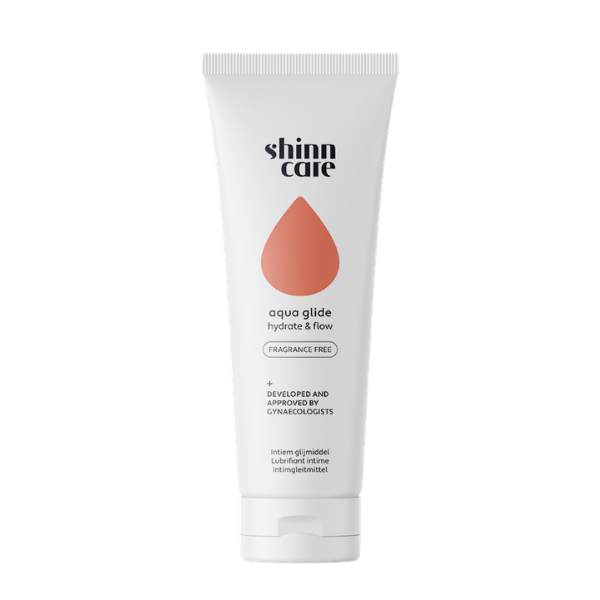
We are therefore launching a user test of Aqua Glide with 20 women who have or have had breast cancer.
During this user test, we want to gain a better understanding of how these women experience using the product and which aspects are important to them in terms of ease of use and intimate comfort.
The results are not yet available.
This is a user test, not a clinical study. Therefore, no medical or clinical conclusions can be drawn from it at this time.
Once the test is completed and analyzed, the findings can be shared transparently.
During cancer treatment, vaginal dryness, irritation, or pain can easily take a back seat to all the other medical concerns.
But when a symptom affects your ability to move, sleep, be intimate, maintain relationships, or simply how comfortable you feel in your own body, it deserves attention.
Talk to your family doctor, gynecologist, oncology nurse, or oncologist about it.
The solution doesn't have to be the same for every woman. Sometimes it starts with small adjustments. Sometimes additional medical care is needed.
The most important thing is that intimate health issues don't have to be something you keep to yourself.
Yes. Chemotherapy, ovarian suppression, and certain antihormonal treatments can lower estrogen levels or affect how estrogen works. This can lead to vaginal dryness, irritation, and pain during intercourse, among other symptoms.
That's possible. Chemotherapy, the suppression or removal of the ovaries, and certain other treatments can cause treatment-induced or early menopause.
Whether this is temporary or permanent depends, among other things, on the type of treatment and the woman's age.
Non-hormonal options, such as vaginal moisturizers and lubricants, are usually tried first.
If these measures are not effective enough, discuss other treatment options with your doctor. The options depend, among other things, on your medical history and the antihormonal treatment you are taking.
A lubricant is used to reduce friction when extra lubrication is needed, such as during sex.
A vaginal moisturizer is used regularly to help manage persistent vaginal dryness, even when not engaging in sexual activity.
Lubricants are among the non-hormonal options used to reduce friction and discomfort caused by vaginal dryness.
If a product causes irritation or if pain during sex persists, it's best to discuss this with your doctor.
That depends on your personal situation.
When nonhormonal options are not sufficiently effective, a doctor may consider low-dose topical vaginal estrogen in certain situations. Consultation with the oncology treatment team is especially important when treatment involves an aromatase inhibitor.
Discuss your symptoms with your doctor if they persist, worsen, or affect your quality of life.
If you experience vaginal bleeding, minor cuts, recurring infections, severe pain, or noticeable changes to the vulva, a medical evaluation is recommended.
Anti-hormonal therapy
A treatment that affects the production or action of certain hormones. In hormone-sensitive breast cancer, it is used to reduce the effect of estrogen on cancer cells.
Aromatase inhibitor
A type of antihormonal treatment that significantly reduces the production of estrogen in the body. Examples include anastrozole, letrozole, and exemestane.
GSM – Genitourinary Syndrome of Menopause
A collective term for changes in the vagina, vulva, bladder, and urinary tract that can occur when estrogen levels decline.
Ovarian suppression
A treatment in which the function of the ovaries is temporarily suppressed so that they produce less estrogen.
Tamoxifen
A medication that blocks the effects of estrogen on certain cells and is used to treat certain types of hormone-sensitive breast cancer.
Vaginal Moisturizer: A product used regularly to help reduce vaginal dryness.
Lubricant A product that reduces friction when extra lubrication is needed, such as during sexual activity.
This article is for informational purposes only and is not a substitute for personal medical advice. Always discuss any symptoms or treatment options during or after breast cancer with your treating physician or oncology team.

In-house gynecologist at Shinncare